Diabetes-Friendly Pumpkin Pie: A Delicious No-Added-Sugar Holiday Dessert

The dessert table can be the trickiest part of Thanksgiving when someone in the family is watching their sugar intake. Pecan pie, frosted cakes, and traditional pumpkin pie are often prepared with generous amounts of sugar, leaving fewer choices for guests who need to be mindful of carbohydrates. Rather than asking anyone to skip dessert, I prefer the idea of preparing something everyone can consider enjoying.
This Diabetes-Friendly Pumpkin Pie starts with the same ingredient that gives traditional pumpkin pie its unmistakable character: pure pumpkin. It’s a baked filling using sugar instead of sweetened condensed milk. Eggs add a deliciously smooth, spoon-tender custard, and vanilla, pumpkin pie spice, and cinnamon give the pie the familiar fall flavors.
It has no crust, so no homemade pastry, and you’re getting fewer carbs than many a traditional pumpkin pie ballin’. It also allows the pumpkin filling to take center stage—lots of pumpkin, fragrant spices, and no distractions. Great alternative for all of us who want a pumpkin dessert and not a truckload of added sugar without any carbs.
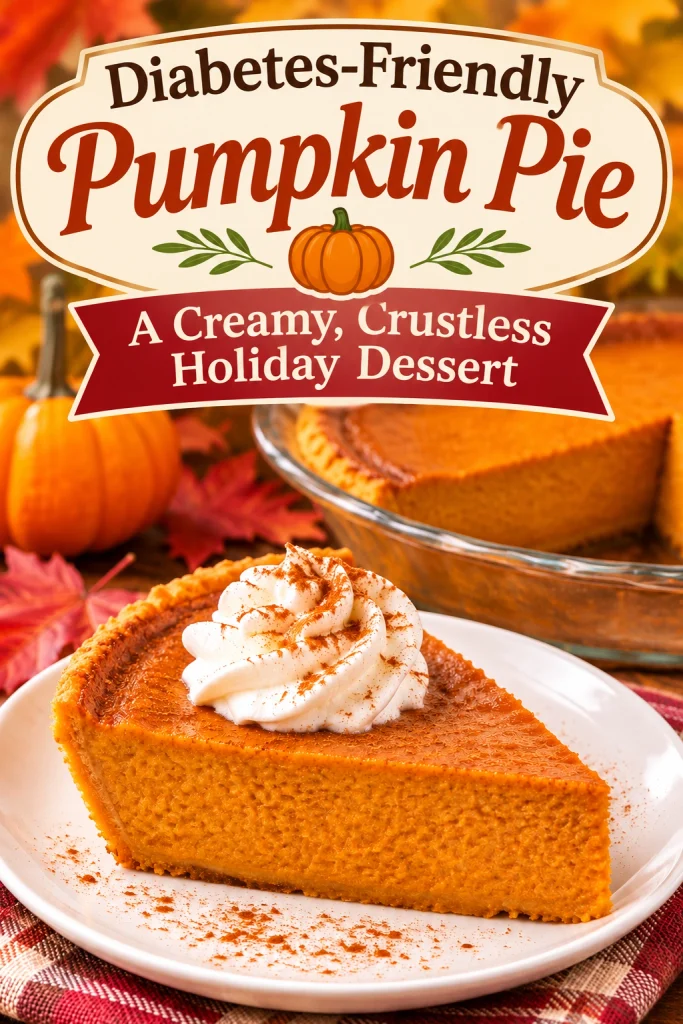
Why I Chose a Crustless Pumpkin Pie
When you’re preparing a low-carb dessert, the first thing you want to rethink is the crust. A normal pie crust would be a lot of flour and butter and a little sugar if you want to go a step higher. However, it’s easy to skip it and let the filling stand out.
Pumpkin pie in particular has enough body to the filling that you can prepare it without pastry. The thick pumpkin puree and eggs come together to form a dense custard that can stand up to the oven and thicken while cooling. It’s more of a baked pumpkin pudding than a traditional pie crust, but you get those flavors of a holiday dessert, nonetheless.
Yes, it even has a practical benefit that is a godsend when one has holiday preparations underway. With no crust, you don’t have to worry about a soggy bottom, a shrinking or unevenly browned pastry. Instead, you can concentrate on ensuring the filling is well mixed and baking until the custard is just set.
What Goes Into This Diabetes-Friendly Pumpkin Pie?
15 ounces of pure pumpkin puree for color and creaminess and an earthy sweetness in your pie. Be careful not to purchase canned pumpkin pie filling, since that product generally contains added sugar and seasonings. Plain pumpkin puree allows you to control the flavor from the beginning.
Two large eggs give the filling structure, while three-quarters of a cup of unsweetened almond milk provides enough moisture to create a creamy texture. Compared with sweetened dairy mixtures used in some pumpkin pies, unsweetened almond milk offers a different nutritional profile and typically contains little added sugar. The exact carbohydrate amount will depend on the brand.
For sweetness, this recipe calls for half a cup of allulose or an equivalent amount of monk fruit baking sweetener. Allulose is less sweet than regular sugar, while monk fruit products differ considerably depending on their concentration and other ingredients. If you choose a product with baking conversion instructions, you can bake a sweet treat to your liking.
The spices: 1/2 teaspoon ground cinnamon, 1 1/2 teaspoons pumpkin pie spice and a teaspoon of vanilla extract will warm the dessert. A quarter teaspoon of salt brings those ingredients together, preventing the spices from tasting dull. If you prefer a firmer consistency, one tablespoon of cornstarch can be added, although it will contribute additional carbohydrates.
Diabetes-Friendly Pumpkin Pie
Ingredients
- 1 cup (15 oz) pure pumpkin puree (not pumpkin pie filling)
- 2 large eggs
- 1/2 cup allulose or equivalent sweetness from a monk fruit baking blend
- 3/4 cup unsweetened almond milk
- 1 tsp vanilla extract
- 1 1/2 tsp Pumpkin pie spice
- 1/2 tsp ground cinnamon
- 1 tbsp cornstarch (optional, for a firmer texture)
- 1/4 tsp salt
- Cooking spray or butter, for greasing
Instructions
- Preheat the oven. Preheat your oven to 350°F (175°C). Lightly grease a 9-inch pie dish with cooking spray or butter.
- Combine the pumpkin and eggs. In a large mixing bowl, whisk together the pumpkin puree and eggs until smooth and fully incorporated.
- Add the sweetener and milk. Stir in the allulose or equivalent monk fruit baking sweetener, unsweetened almond milk, and vanilla extract. Mix until evenly combined.
- Add the spices. Whisk in the pumpkin pie spice, cinnamon, and salt until the filling is smooth.
- Add optional cornstarch. For a firmer filling, dissolve the cornstarch in a small amount of the measured almond milk before mixing it into the pumpkin mixture.
- Fill the pie dish. Pour the pumpkin filling into the prepared dish and smooth the surface with a spatula.
- Bake. Bake for 40–50 minutes, or until the edges are set and the center has a slight jiggle. Avoid overbaking.
- Cool and refrigerate. Remove from the oven and allow to cool. Refrigerate for at least 3 hours until completely chilled and set.
- Serve. Cut into 8 slices. If desired, garnish with a small amount of unsweetened whipped cream and a sprinkle of cinnamon.
Notes
Recipe Notes
Sweetener: Monk fruit baking blends vary in sweetness. Follow the manufacturer’s sugar-equivalent conversion instructions. Allulose is less sweet than sugar, so the finished pie may taste mildly sweet. Texture: This is a crustless pumpkin custard, so the filling will be softer than traditional pumpkin pie. Cornstarch: Optional cornstarch helps create firmer slices but adds carbohydrates. Make Ahead: Prepare the pie one day before serving and refrigerate overnight. Storage: Store covered in the refrigerator for 3–4 days. Serving Suggestion: Serve chilled with unsweetened whipped cream and a light dusting of cinnamon. Diabetes-Friendly Note: This recipe contains no traditional added sugar when made with an appropriate sweetener, but it still contains carbohydrates from pumpkin and other ingredients. Calculate carbohydrates using your specific product labels and serving sizes. Nutrition: Exact calories, carbohydrates, and sugars per serving depend on the sweetener brand, almond milk, and whether cornstarch or toppings are included.Preparing the Pumpkin Filling Without Complications
Start by setting your oven to 350°F and lightly coating a 9-inch pie dish with cooking spray or a small amount of butter. Because the filling will bake directly against the dish, a thin layer of grease helps make serving easier. If you want a little extra support with getting the dish in the oven, place the recipe on a sturdy baking sheet.
Beat 2 eggs into the pumpkin puree in a large bowl. Beat lightly until smooth and the eggs are incorporated into the pumpkin. No electric mixer needed, as beating too much will add air to the filling.
Then stir in the sweetener, almond milk, and vanilla extract. Blend until smooth, then add the pumpkin pie spice, cinnamon, and salt. The spices at the same level as the filling orange.
If using cornstarch, mix it with a portion of the measured almond milk to create a slurry. Add that to the bowl and whisk to mix. This avoids dry pockets of starch in the finished custard.
Dump all of it into the prepared pie dish and into the hot oven. Bake for 40-50 minutes, but don’t just watch the clock; watch the filling. It should look like it’s on the outside, and if you gently shake the dish, it should wiggle slightly in the center.
Remove the pie from the oven and allow it to cool down before putting it in the refrigerator. Once it’s cool enough, place it in the refrigerator with a piece of foil on top of it for at least 3 hours. But this is an important step, because the filling thickens as it cools and is easier to serve.
Set vs Overbake
A mistake that can destroy pumpkin custard is to wait until the whole top is firm in the oven. It may appear as though the custard is done, but it actually means that you’ve overcooked the eggs. You might have a custard that has cracked, weeps, or is a little grainy, which means it’s overbaked.
Instead, watch for the filling to wiggle. The edges should be fairly firm, and the center should wiggle slightly (not ripple like liquid). If the center is quite wet or if when you nudge the dish around a bit you can hear a little bit of slushing, it ain’t done.
When you first remove the pie from the oven it will still be setting as it cools, expect some movement. Refrigeration completes the process and gives the filling a more cohesive texture. Patience at this stage makes a noticeable difference in the finished dessert.
How Sweet Should a Pumpkin Pie Be?
Pumpkin desserts don’t have to be cloying to be satisfying. Pumpkin has a mild sweetness, and spices (cinnamon, vanilla, ginger, etc.) add aromas that influence how we perceive the flavor. In a dessert with reduced added sugar, those aromatic ingredients become especially important.
Allulose and monk fruit baking blends can produce different results even when the same quantity is used. Some monk fruit blends are formulated to replace sugar cup for cup, while others are much more concentrated. Always check the package instructions before measuring, particularly if you are trying a new brand.
The amount of sweetness you prefer may also depend on how the pie will be served. A plain slice allows the pumpkin and spices to remain prominent, while an appropriately sweetened topping can add another layer of flavor. Because the uncooked filling contains raw eggs, avoid tasting it to make adjustments before baking.
Serving Diabetes-Friendly Pumpkin Pie After a Holiday Meal
After a large Thanksgiving dinner, I like the idea of offering desserts in manageable portions rather than automatically cutting oversized slices. This pumpkin pie can be divided into eight servings, giving everyone a consistent portion to consider. Smaller slices can also be offered when several desserts are available.
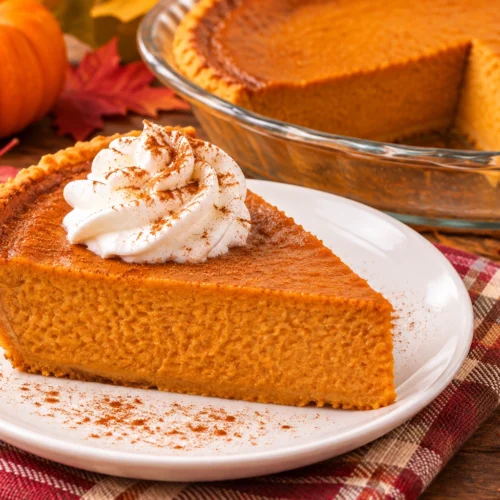
A little unsweetened whipped cream makes a pleasant topping without overpowering the pumpkin flavor. For a more decorative presentation, sprinkle a small amount of cinnamon over the whipped cream just before serving. The contrast between the pale topping and deep orange custard gives the dessert an inviting appearance.
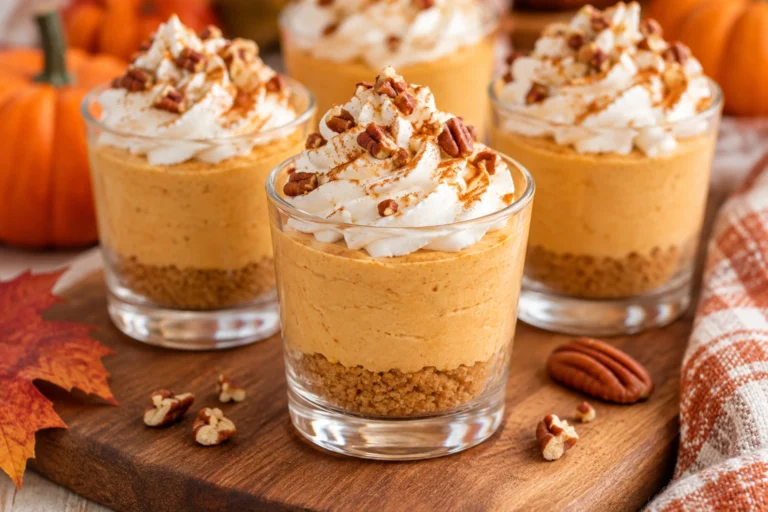
For guests who enjoy comparing different pumpkin desserts, consider including my Pumpkin Cheesecake Mousse: An Easy No-Bake Fall Dessert on the menu. Which is going to be a nice light and airy cream cheese folded up and going to do a textural counterpoint to the baked custard that we’re doing in this recipe. Mousse is a separate food product, having its own ingredients and nutrition, and you can’t just automatically think that the mousse is diabetes friendly.
Learning Sugar and Carb Alternatives
Sugar-free desserts don’t mean no carb desserts. Pumpkin has natural sugars and starches, and the other ingredients may have other carbohydrates depending on what they are. And that difference is huge in diabetic cooking.
For example, a tablespoon of cornstarch (optional) can improve texture, but it also adds starch to the final pie. Bulking ingredients may also be found in monk fruit baking products, labeled differently on nutrition information. Instead of assuming that all sugar substitutes share the same nutritional value, it’s better to check what products are being used.
How much you eat is also important. And if you cut your pie into 8 slices, you can use the nutrition info from your ingredients and estimate how many carbs you’ll get with each slice. Which you can more easily work into your meal plan as a dessert.
It is also worth remembering that people with diabetes may have different carbohydrate targets and responses to foods. A recipe can offer reduced added sugar without being appropriate in unlimited quantities. For anyone who counts carbohydrates or follows a prescribed meal plan, the ingredient labels and serving size should guide their choices.
Keeping the Filling Fresh Until Serving
Because this pie contains eggs and almond milk, it needs to be refrigerated after cooling. Place it in the refrigerator within two hours of removing it from the oven, and keep it covered once it has cooled. Proper storage helps preserve both food safety and texture.
You can make the pie a day in advance of the party, good for multiple dishes to prepare. In fact, a full night in the refrigerator gives the filling plenty of time to become firm. This can make the difference between a delicate custard that is difficult to portion and one that serves more neatly.
Store leftovers in a covered container or the original pie dish for approximately three to four days at 40°F or below. When serving, remove only the portions needed and return the remainder to the refrigerator promptly. Freezing is less desirable because thawed egg custards may become watery or separated.
The First Slice Tells You More Than the Oven Timer
Cutting into a chilled pumpkin custard is the moment when you discover how the ingredients and baking time worked together. A properly prepared slice should reveal an even orange interior, without pockets of liquid or a noticeably grainy appearance. The filling should feel tender on the fork rather than rubbery or excessively firm.
If the first slice is softer than you expect, her dessert will not have failed you. A pumpkin custard lacking custard is gambling without the optional cornstarch to support the pie. It can be enjoyed in a mellower form if handled safely and cooked properly.
A runny or curdled filling also suggests that the filling was overbaked or baked at a high temperature. Large cracks on the surface also mean that it was overbaked, but small cracks on the surface may not affect the taste. These are things to look out for so you can adjust the baking time for future batches.
The dish you use can also make a difference. Shallow pans will give you a thinner layer of filling that is more likely to crack and also cook faster, while deeper pie plates will require longer for the filling to set in the center. Instead of making a big change for several other ingredients, just see how your particular dish turns out.
A simple recipe with some TLC
The beauty of recipes with so few ingredients is that there is hardly any room for extraneous ingredients. Each ingredient plays an important role: the pumpkin adds body, the eggs give it structure, the almond milk creates a softer confection when finished, and the spices add flavor. The sweetener supports the pumpkin rather than becoming the dominant ingredient.
That simplicity also makes accuracy more important. Measuring the almond milk carefully, selecting the correct pumpkin product, and allowing sufficient cooling time can influence the finished texture more than an elaborate decorating technique. A few minutes of attention during preparation can prevent common baking problems.
If you want a pumpkin dessert with less added sugar, this Diabetes-Friendly Pumpkin Pie recipe is a good one to attempt. It’s not a gluten-free recipe and not a replacement for your own doctor’s advice, but it’s a thoughtful take on a holiday classic. It’s creamy, spicy warm, easy to make, and another one you can do when you’re doing a dessert table for various needs.