Homemade Cranberry Orange Sauce: A Sweet and Tangy Thanksgiving Classic
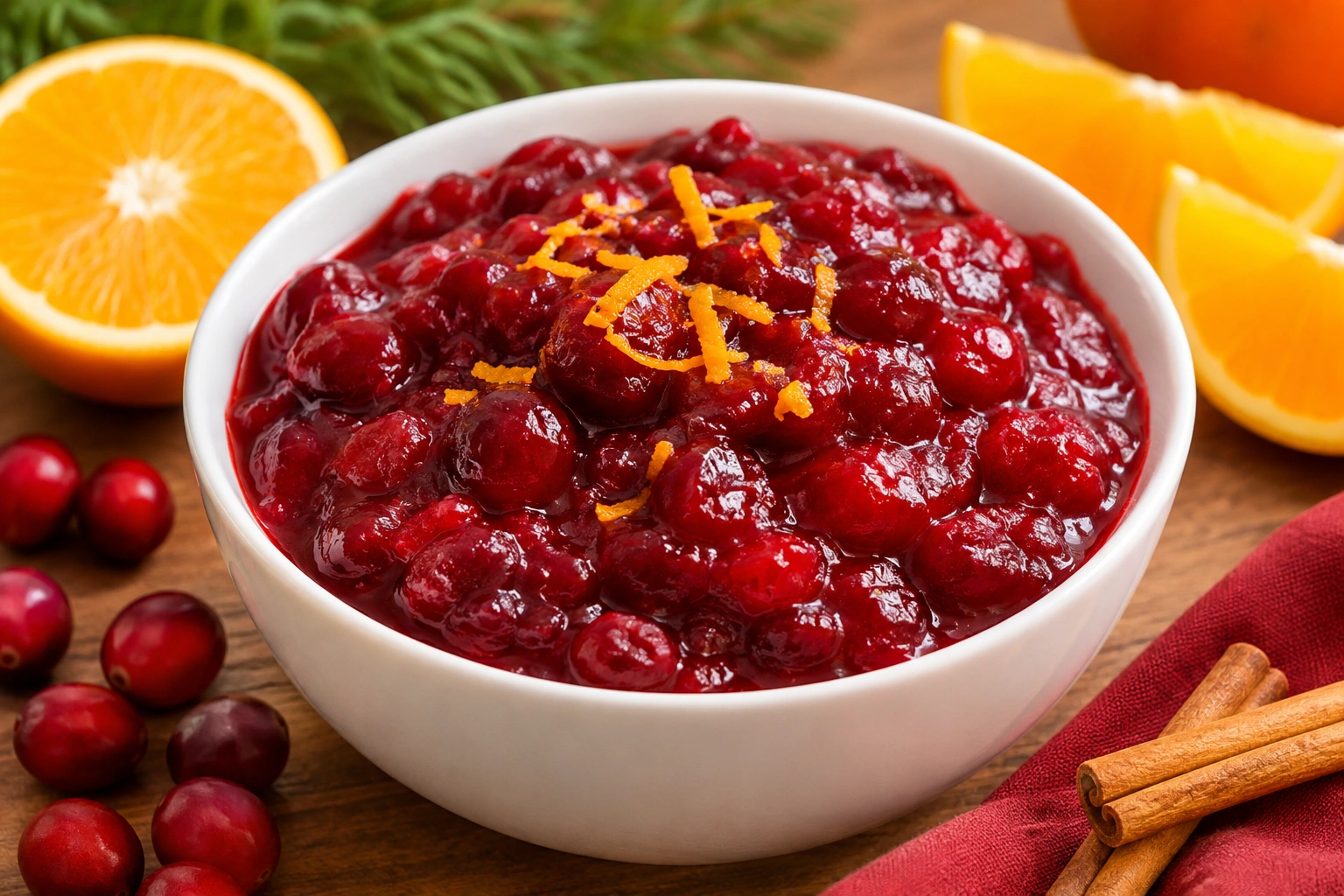
Picture a Thanksgiving table with a generous helping of mashed potatoes, warm cornbread stuffing, and roasted turkey…but that pop of flavor on your plate could be that tiny little bowl of cranberry sauce. Its deep red color appears fresh among the traditional holiday fare, and its tart sweetness and invigorating bite complement those savory, rich flavors. Fresh oranges are squeezed into the cranberry sauce, each spoonful exploding with that fabulous citrus scent.
This homemade cranberry orange sauce is made from fresh (or frozen!) cranberries and will be loaded with orange juice, sugar, water, and a good pinch of orange zest. And a pinch of cinnamon (optional), which adds a lovely warm flavor to complement the fruit. The cranberries burst and release their juices, simmering down into a thick, glossy sauce.
The canned stuff pours out like jello; this is more rustic, with chunks of tender fruit sprinkled throughout. It’s sweet enough to balance out the tartness of the cranberries, but not so sweet that it masks the flavor of the cranberries entirely. Even better, it can be prepared ahead of time, making it a practical addition to a busy Thanksgiving cooking schedule.
Why Homemade Cranberry Orange Sauce Tastes Better
Cranberries have a naturally bold, tart flavor that responds beautifully to a little sugar and citrus. When cooked slowly, their skins soften and their juices combine with the other ingredients to create a rich, fruity sauce. The result has a depth of flavor that is difficult to achieve with many commercially prepared versions.
Fresh orange juice makes an important difference because it adds natural sweetness along with a bright citrus character. Rather than competing with the cranberries, the orange flavor rounds out their sharpness and gives the sauce a more balanced taste. The orange zest adds a second level of fragrance to the final dish.
Another advantage of cooking your own cranberries is that you can control the consistency. Some people like a thick sauce full of whole cranberries, while others prefer a silkier sauce with more broken-down fruit. Stir more gently and adjust the time to get the texture your family prefers.
It’s easy to find ingredients as well around the holidays. No need for fancy tools or complicated cooking processes or hours of preparation. You can whip up a delicious, gooey Thanksgiving side in just a saucepan, a wooden spoon, and a couple of minutes.
Buying Fresh or Frozen Cranberries
Fresh cranberries are usually available in stores during the fall when people are preparing for Thanksgiving. They’re easily recognizable in the produce aisle by their firmness and bright red color. Choose containers with rounded, smooth berries, not shriveled, moldy, or mushy ones.
Or, you can make this homemade cranberry orange sauce recipe with frozen cranberries: They are especially convenient when fresh cranberries are unavailable or when you want to prepare the sauce outside the traditional holiday season. Because the berries will be cooked until they soften, frozen cranberries work beautifully without needing to be thawed first.
Before cooking fresh cranberries, rinse them thoroughly under cool running water. Drain well, then snip off any stems or damaged berries, and add to the saucepan. This is a fast prep that will save you from mediocre fruit in your sauce.
The advantage in using whole cranberries is that they provide a pectin naturally, so your sauce will thicken as it cools. You do not need cornstarch, gelatin, or another thickening ingredient to achieve the traditional cranberry sauce consistency. The fruit itself does most of the work.

Homemade Cranberry Orange Sauce
Ingredients
- 12 oz fresh or frozen cranberries
- 1/2 cup fresh orange juice
- 3/4 cup granulated sugar
- 1/2 cup water
- 1 tsp fresh orange zest
- 1/4 tsp ground cinnamon (optional)
Instructions
- Prepare the cranberries. Rinse fresh cranberries under cold running water and discard any damaged berries. If using frozen cranberries, there is no need to thaw them.
- Combine the ingredients. In a medium saucepan, add the cranberries, fresh orange juice, granulated sugar, and water. Stir gently to combine.
- Bring to a boil. Place the saucepan over medium-high heat and bring the mixture to a gentle boil, stirring occasionally until the sugar dissolves.
- Simmer the cranberries. Reduce the heat to medium-low and simmer for 10–15 minutes, stirring occasionally. The cranberries will begin to burst and release their juices as the sauce thickens.
- Add the citrus and spice. Stir in the fresh orange zest and optional ground cinnamon during the final 2 minutes of cooking.
- Adjust the texture. For a chunkier sauce, leave some cranberries whole. For a smoother consistency, gently mash some of the softened berries with the back of a spoon.
- Cool the sauce. Remove from the heat and allow the cranberry orange sauce to cool for approximately 30 minutes. It will continue to thicken as it cools.
- Serve. Transfer to a serving bowl and enjoy chilled, at room temperature, or slightly warm.
Notes
Notes
- Make ahead: Prepare the sauce 1–2 days before Thanksgiving for easier holiday meal planning.
- Storage: Refrigerate in an airtight container for up to 3–4 days.
- Freezing: Freeze for up to 2–3 months for best quality. Thaw overnight in the refrigerator.
- Sweetness: If the sauce is too tart, add a little more sugar while it is still warm.
- Texture: Do not overcook. The sauce thickens naturally as it cools.
- Serving suggestion: Pair with roasted turkey, glazed ham, or homemade cornbread dressing.
How to Make Homemade Cranberry Orange Sauce
Begin by gathering 12 ounces of fresh or frozen cranberries, half a cup of fresh orange juice, three-quarters of a cup of granulated sugar, and half a cup of water. You will also need 1 teaspoon of orange zest and 1/4 teaspoon of ground cinnamon, if desired. That together make a cranberry sauce that is sweet, tart, and has some citrus notes.
In a medium saucepan combine the sugar, orange juice, water, and cranberries. Gently stir to combine the sugar with the berries, then place the saucepan over medium-high heat. Simmer the concoction and stir occasionally to keep the sugar from sinking to the bottom.
When the mixture heats up, the cranberries will begin to pop and burst. This is what you want to happen so that the berries’ juices will be released and begin to break down. Let it simmer until it comes to a boil.
Cook and stir occasionally for 10 to 15 minutes, or until the cranberries start to break down a bit and the liquid thickens. Some berries will break down completely and some will remain somewhat whole—this is what gives the sauce its traditional, chunky feel. If you prefer a smoother consistency, gently press a few of the softened berries against the side of the saucepan with your spoon.
During the final minutes of cooking, stir in the orange zest and optional ground cinnamon. Allow the flavors to develop slightly, then remove the saucepan from the heat. The sauce will seem a little thin at this point but will thicken as it cools.
Let the cranberry orange sauce cool for at least 30 minutes before serving or storing in a container. Refrigerate until cooled and set. Serve chilled or warm or let it sit out of the fridge for a while to reach room temperature.
Achieving the Perfect Cranberry Sauce Consistency
The most common question when making cranberry sauce from scratch is: how do you know when it is done? If you are used to the thick consistency of canned cranberry sauce, the mixture can look a bit thin while hot. Don’t overcook the cranberries; they will naturally thicken as they cool.
The berries will exude some of their natural pectin while they cook, which will leach into their liquid. This gives the mix a soft, spoonable consistency without the addition of any thickeners. When the cranberries stop popping and the sauce is much thicker, it’s probably time to take it off the heat.
Stir a smidge less for a chunkier sauce. Gentle stirring allows some cranberries to remain intact, creating a pleasant contrast between the softened fruit and the thickened sauce. For a smoother result, mash more of the berries during the final minutes of cooking.
Remember that the finished texture will change after refrigeration. A sauce that looks slightly loose in the saucepan can become noticeably thicker after several hours in the refrigerator. For this reason, allow it to cool completely before deciding whether the consistency needs adjusting.
Serving Cranberry Orange Sauce With Thanksgiving Dinner
Cranberry sauce has earned its place beside roasted turkey because the combination works so well. The turkey has that umami taste and the tart, sweetish taste of the cranberry sauce brings out the flavor in every bite. A little citrusy zing of fresh orange juice makes it all the better.
This homemade cranberry orange sauce is also wonderful with the classic Old Fashioned Cornbread Dressing: A Southern Holiday Classic! The tart cranberries pair well with the heat of the cornbread and veggies and the traditional seasonings. A spoonful of sauce, color change, a little dressing, and taste change.
Cranberry orange sauce also pairs well with other holiday favorites like sweet potato casserole, roasted chicken, and glazed ham. The acid offsets very rich, buttery, or slightly sweet foods. Because the sauce has such a distinctive flavor, even a small serving can make a noticeable difference on the plate.
For an attractive presentation, transfer the cooled sauce into a small white or cream-colored serving bowl. Add a couple of thin orange zest slices for some citrus. Bowl plain where red cranberries lie in its beauty, and it’s not too overly ornate.
Taming the Citrines and Sweetness
Depending on the type of cranberry you use, your sauce will end up having a slightly different flavor, as cranberries have varying levels of tartness. A good place to begin this recipe is 3/4 cup granulated sugar. However, tasting the sauce after cooking allows you to decide whether it needs a little additional sweetness.
If the sauce tastes too tart, stir in a small amount of sugar while it is still warm. Allow the sugar to dissolve completely before tasting again, adding more only if necessary. Keep in mind that cranberry sauce should retain some tartness because that sharp flavor is part of what makes it such a good accompaniment to savory dishes.
For a stronger citrus flavor, add a little extra freshly grated orange zest after removing the saucepan from the heat. The zest contributes fragrant orange oils without significantly changing the sauce’s consistency. Be careful to avoid the bitter white pith when zesting the orange.
You can also customize the cinnamon. Use a quarter teaspoon for a little heat, but you can omit it and let the cranberry-orange flavor shine. Both are great, so choose one that matches well with your other cooking.
5 Reasons to Make Cranberry Orange Sauce Ahead of Time
An average Thanksgiving meal consists of multiple dishes with different cooking times, cooking styles, and cooking techniques. Preparing a few recipes ahead of time can help the day go much more smoothly. That’s why I love cranberry orange sauce, because you can make it ahead of the holiday and keep it in the fridge.
In fact, chilling the sauce allows the natural pectin in the sauce to set, resulting in a thicker, more cohesive sauce. It’ll also allow the cranberry and orange flavors to meld, so the sauce will be well-balanced when served. Cleaning up the day before Thanksgiving is a very easy way to cut down on the stress of Thanksgiving day.
Pour the sauce into an airtight container, refrigerate, and let it cool. It is best for 3-4 days quality. If you’re making it for a holiday dinner, just chill it in the fridge until you’re ready to transfer it to a serving dish.
Cranberry orange sauce can also be frozen for longer storage. Place the cooled sauce in a freezer-safe container, leaving a little space for expansion, and freeze for up to two to three months for best quality. Thaw it overnight in the refrigerator and stir gently before serving.
Delicious Ways to Use Leftover Cranberry Orange Sauce
Leftover cranberry sauce does not have to remain in the refrigerator until the next turkey dinner. Its combination of tart cranberries and sweet orange makes it useful in several everyday dishes. Because the sauce is already cooked and sweetened, it can be incorporated into breakfast foods, sandwiches, and simple desserts with very little preparation.
One of the easiest ways to enjoy leftovers is to spoon a small amount over plain Greek yogurt. I love the creamy yogurt that balances the bright orange zest and sour fruit. Add granola or toasted nuts for texture and a more filling breakfast.
You can also spread cranberry orange sauce on a leftover turkey sandwich for a tasty snack. Place cheese, sliced turkey, your favorite greens, and a thin spread of sauce on bread. The sweet-tart sauce has a zing that can transform holiday leftovers into a whole new meal.
For a sweet option, try serving a spoonful over cheesecake, vanilla ice cream, or warm pound cake. The cranberry flavor helps balance rich desserts, while the red color makes a simple serving look more attractive. You can also spread a little over toast or biscuits for a quick breakfast treat.
Common Mistakes to Avoid When Making Cranberry Sauce
Although homemade cranberry orange sauce is straightforward, a few small mistakes can affect the final result. One of the most common is cooking the mixture over excessively high heat for too long. Cranberries need some heat to burst and soften, but long, hard boils lead to an overly thick sauce or one that clings to the pot.
Another mistake would be not sampling the finished sauce before sweetening it. Cranberries have a natural tartness, and you want that acidity to come through. Warning: Overdo the sugar, and you lose the fruit flavor, leaving you with a sweet jam rather than a classic holiday side.
It is also important not to judge the final consistency while the sauce is still hot. Because cranberries contain natural pectin, the mixture will thicken considerably as it cools. Continuing to cook an already reduced sauce simply because it appears loose can result in a mixture that becomes too firm after refrigeration.
Finally, avoid adding excessive orange zest or scraping too deeply into the peel. The pith that is underneath the white orange will affect the taste of the bitter sauce. Just a small grater and a light hand can catch the fragrant outer zest.
Should Cranberry Orange Sauce Be Served Warm or Cold?
The temperature at which the cranberry sauce is served might become a family tradition. Some families love it cold and straight from the fridge; others like it at room temperature or slightly warmed. It’s just the same ingredients, but everything gives it a little different flavor.
The cold cranberry orange sauce is firm and crisp, a nice contrast to hot holiday dishes. When spooned, it also holds up well on a plate, making it an easy addition to turkey and dressing. And its easiest to make the sauce ahead of time.
Serving the sauce warm will make it softer and more fragrant. If you do, warm it on low heat in a small saucepan, stirring occasionally. Avoid the temptation to reboil it, as additional cooking will over-thicken the mix.
Cranberry sauce at room temperature is a compromise between the two extremes. It is softer than refrigerated sauce but still thick enough to serve neatly. If choosing this method, remove it from the refrigerator shortly before dinner and avoid leaving it unrefrigerated for more than two hours.
Ultimately, there is no single correct serving temperature for homemade cranberry orange sauce. It’s all about texture and serving. The tart cranberries and crisp orange (cold, warm, or room temperature) make this classic holiday side.